Energy-efficient buildings
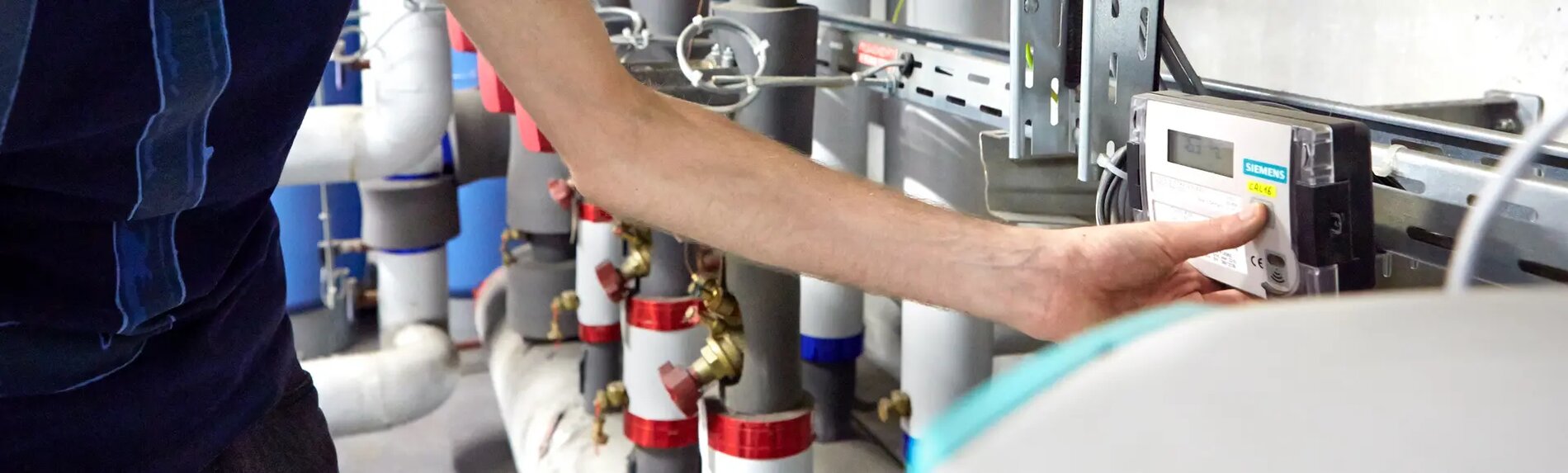
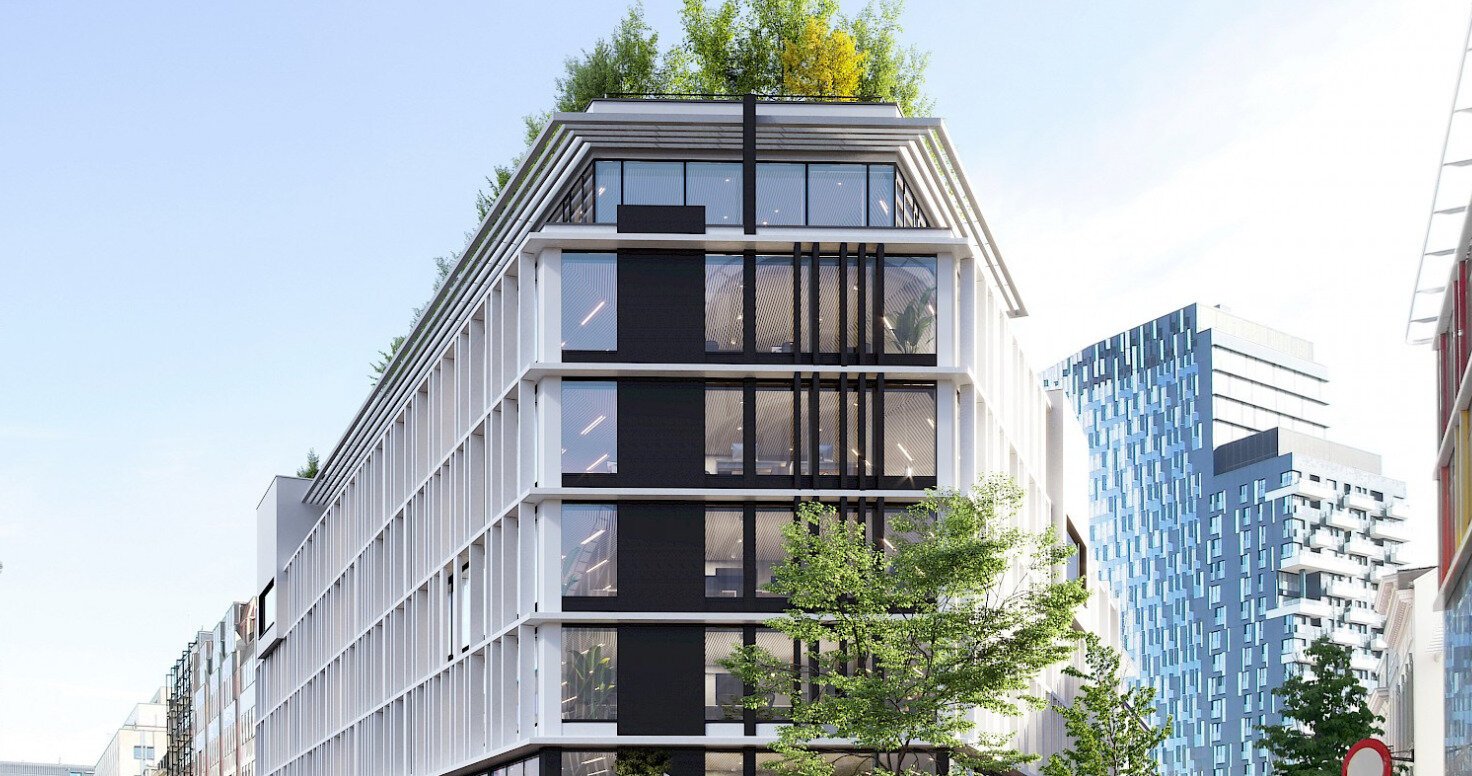
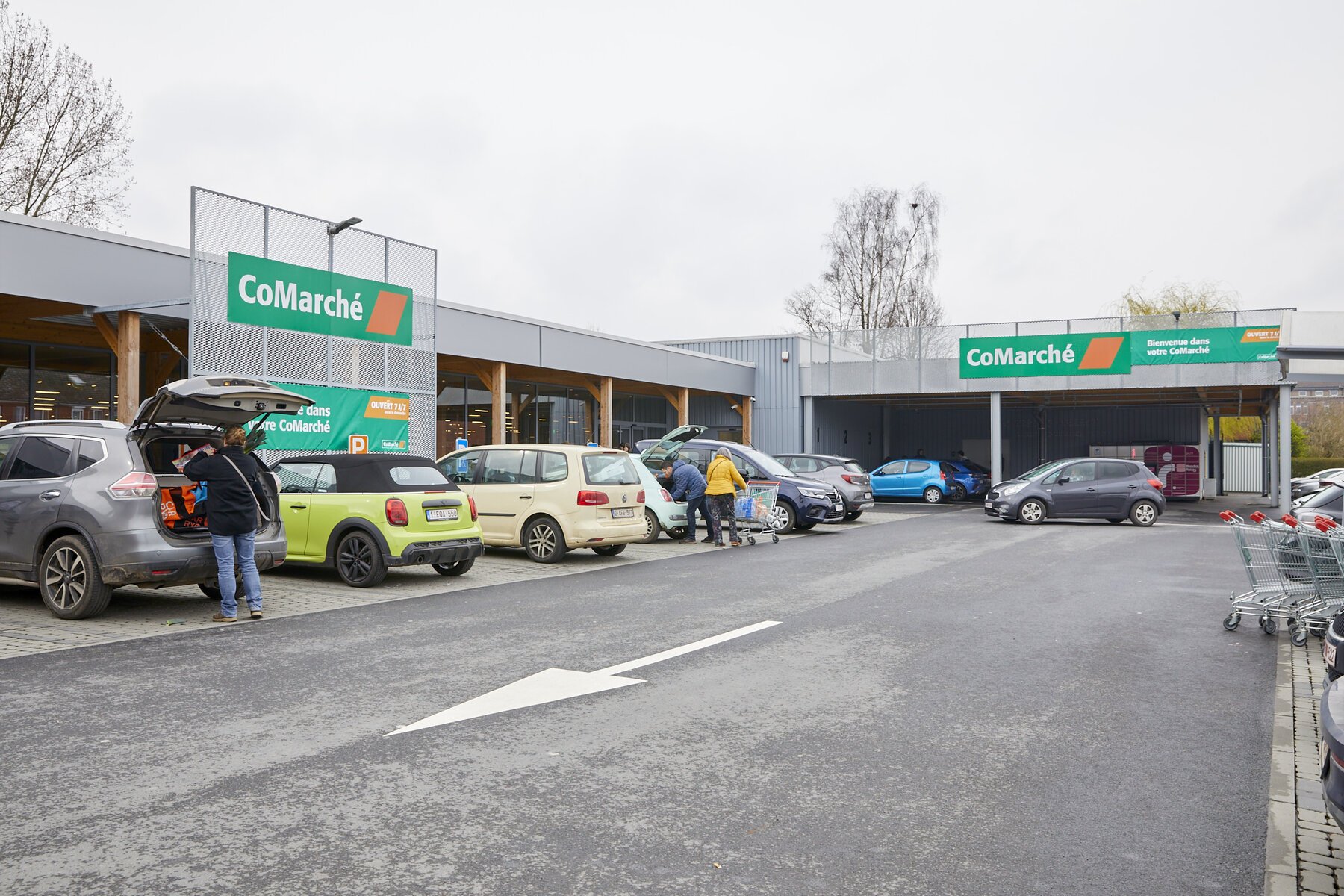
For more than ten years, we have exclusively built low-energy stores. These combine excellent insulation and airtightness with energy-efficient refrigeration systems, such as cold rooms and freezer units, heat recovery and LED lighting. In short, they consume very little energy. We have now built 156 low-energy stores and completed energy-saving renovations in 123 stores. We are also taking action across our distribution centres, head offices and production sites.
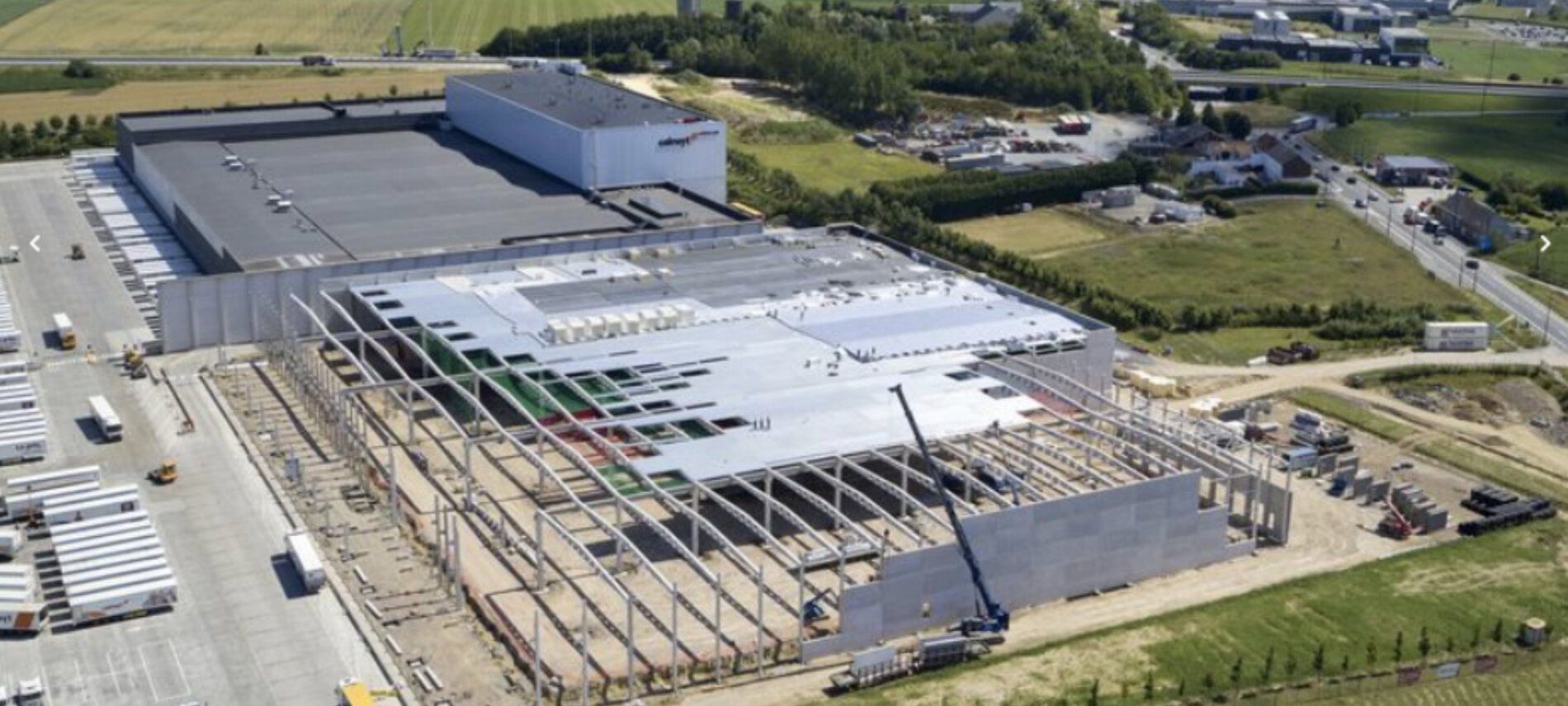
Our new distribution centre in Ollignies was completed in early 2024 and designed to be as energy-efficient as possible. High-speed doors in a separate airlock at the receiving area help limit temperature differences between the reception and storage areas. Motion sensors ensure that the LED lighting is only switched on when activity is detected.
Using energy intelligently
We are convinced that energy consumers, alongside production installations, play an important role in balancing the load on the public distribution grid. To prepare for increasing peaks in demand for renewable energy, we are launching a BESS (Battery Energy Storage Systems) pilot project in our central buildings.
We store sustainably generated electricity in a battery with a capacity of approximately 2 MW/2 MWh and release it only when electricity consumption is high or when the supply of renewable energy is insufficient to offset consumption. This allows us to shift as much of our energy consumption as possible to periods when green electricity production is high.
Producing and using renewable energy
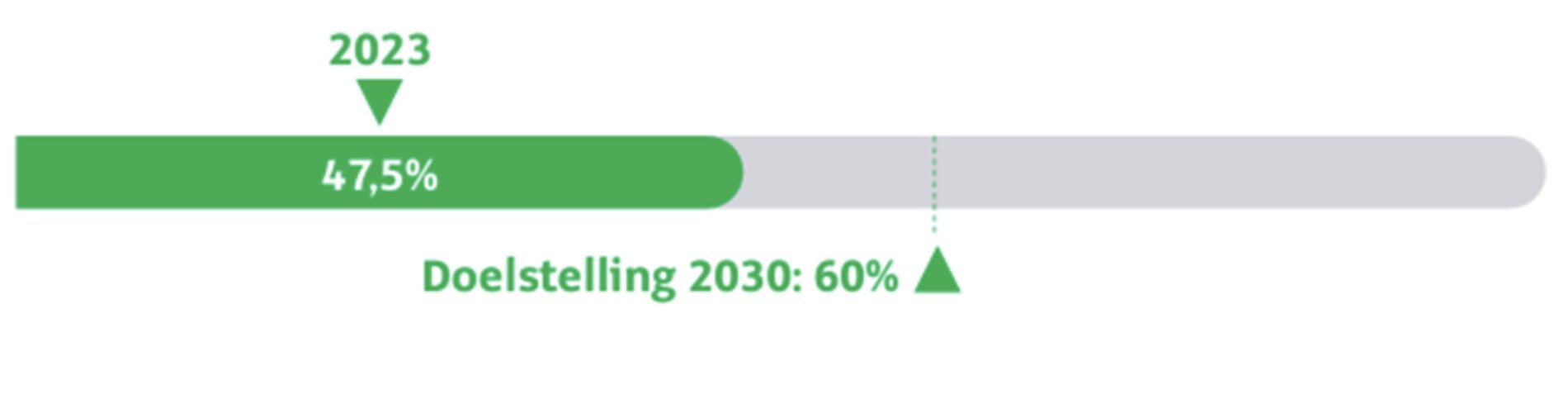
We remain committed to increasing the share of renewable energy, including by making our vehicle fleet greener and using fossil-free heating systems. Ninety-nine per cent of our electricity consumption comes from green sources.
- Use and procurement of renewable electricity: 278,917 MWh
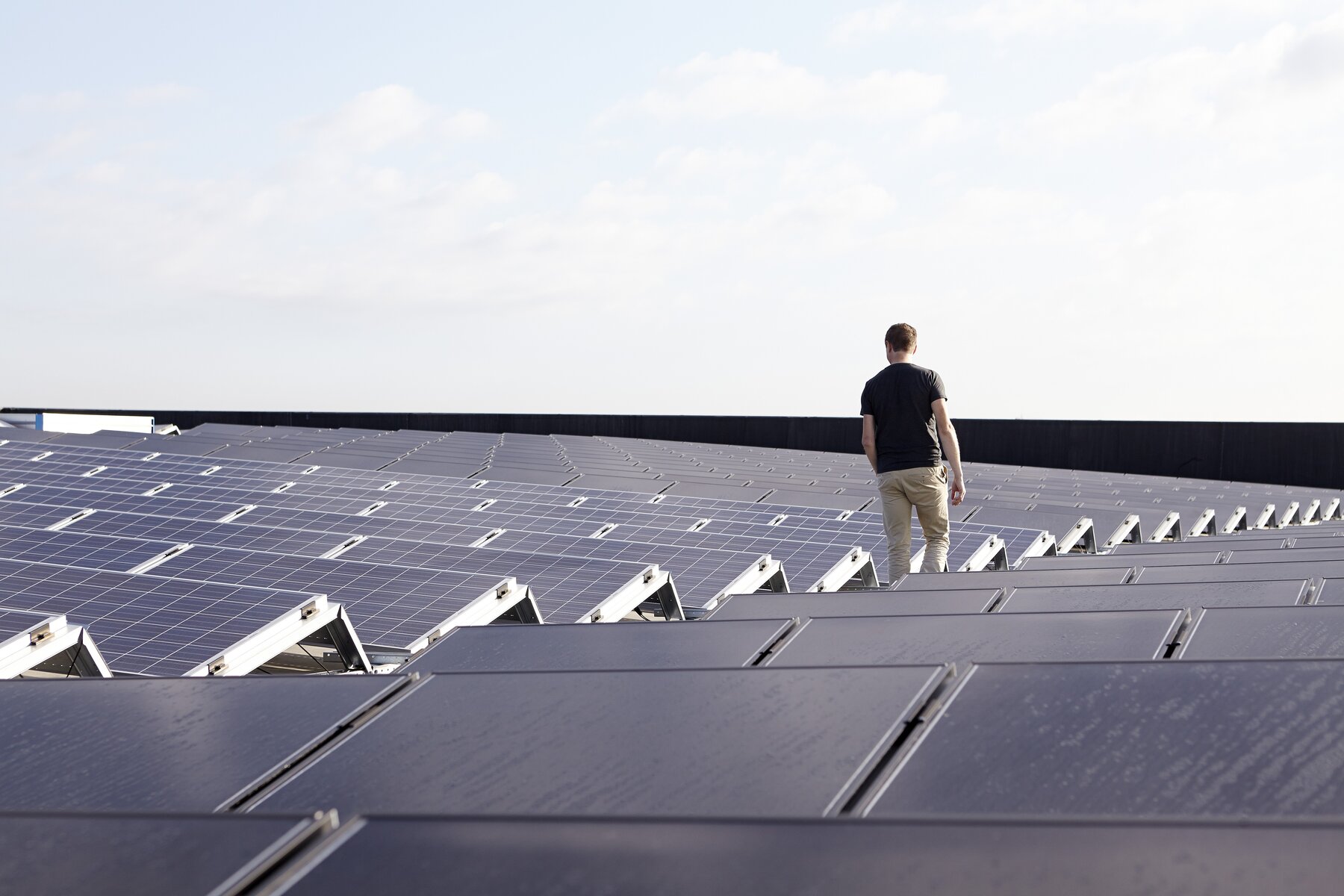
- Electricity generated by Colruyt Group using solar panels: 18,175 MWh