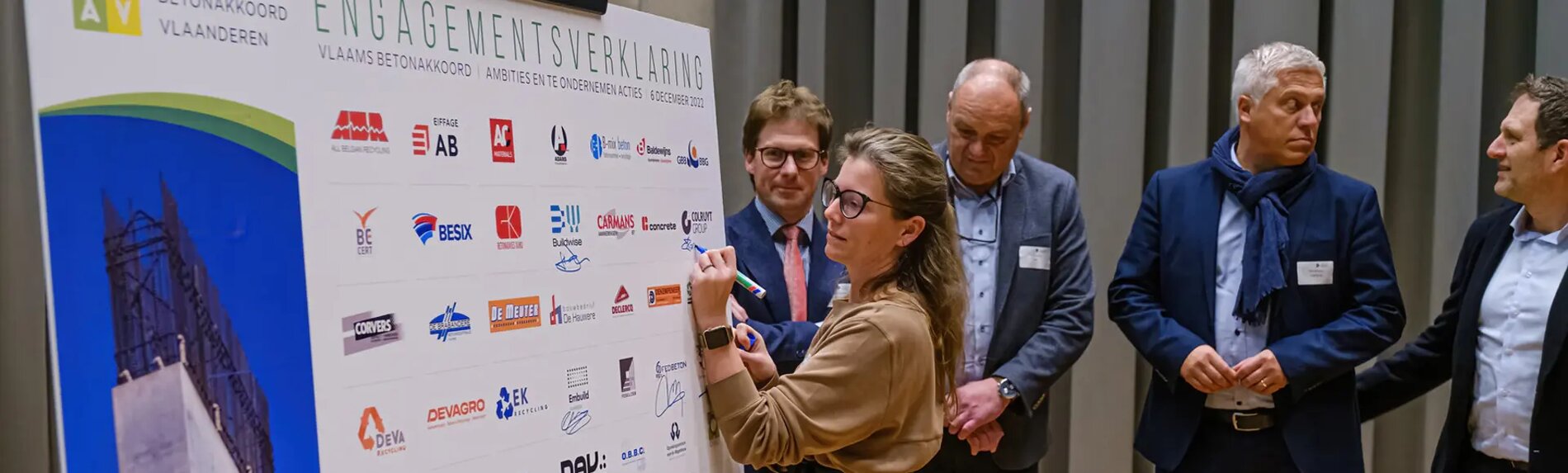
Working together to build more sustainably is exactly what we stand for! Signing the Flemish Concrete Agreement fits perfectly within this commitment.
| Towards more sustainable... | Nirmana
Sustainability
Towards more sustainable concrete
The entire sector involved
Hilde Carens: “The agreement is the result of two years of intensive collaboration with the entire concrete sector, from concrete producers and certification bodies to demolition contractors. Concrete is used throughout the construction sector. As it contains cement, it has a considerable environmental impact. In recent years, we have examined how concrete can be used more sustainably in the construction process.”
The entire chain, from production to demolition, was examined in detail.
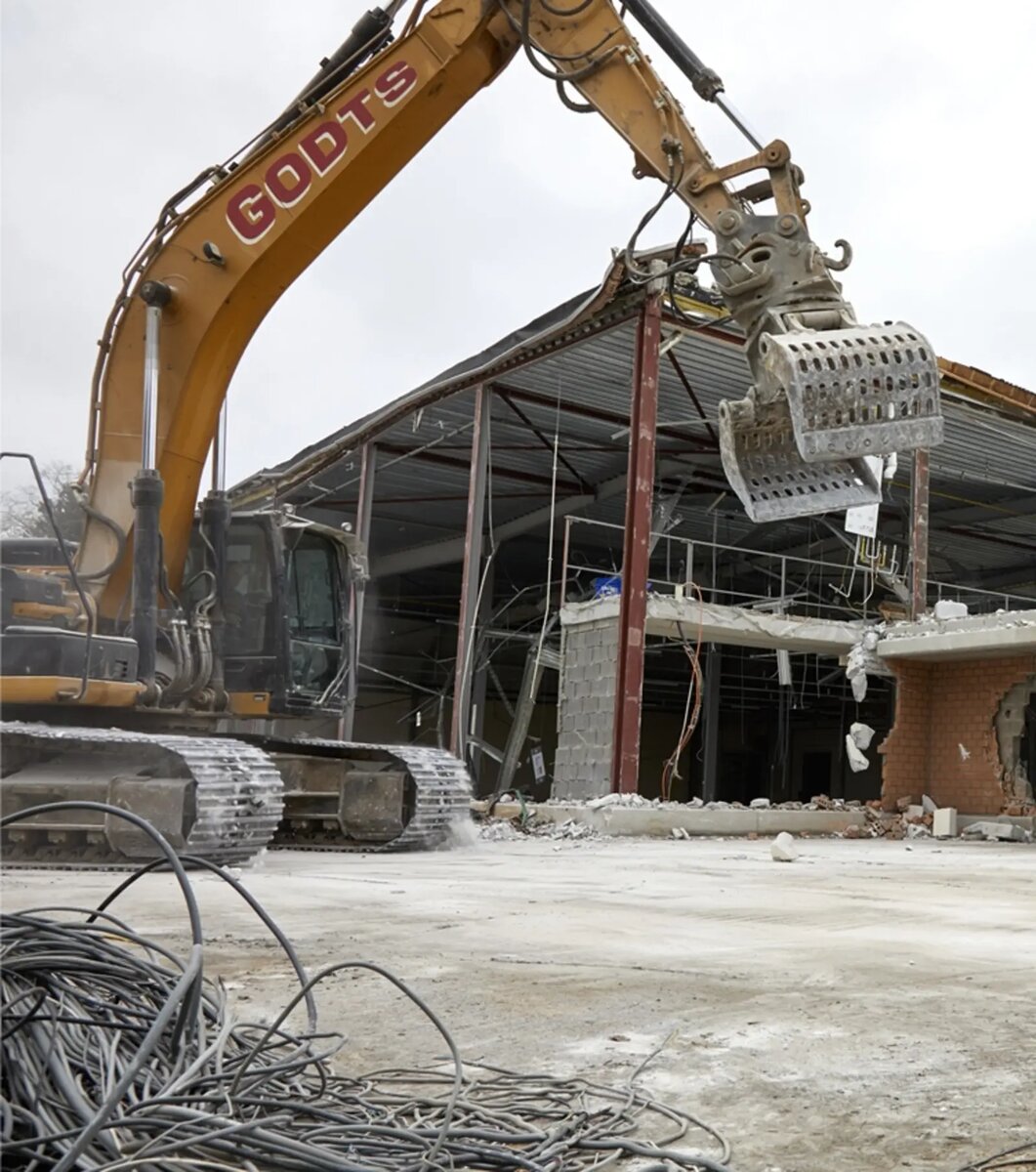
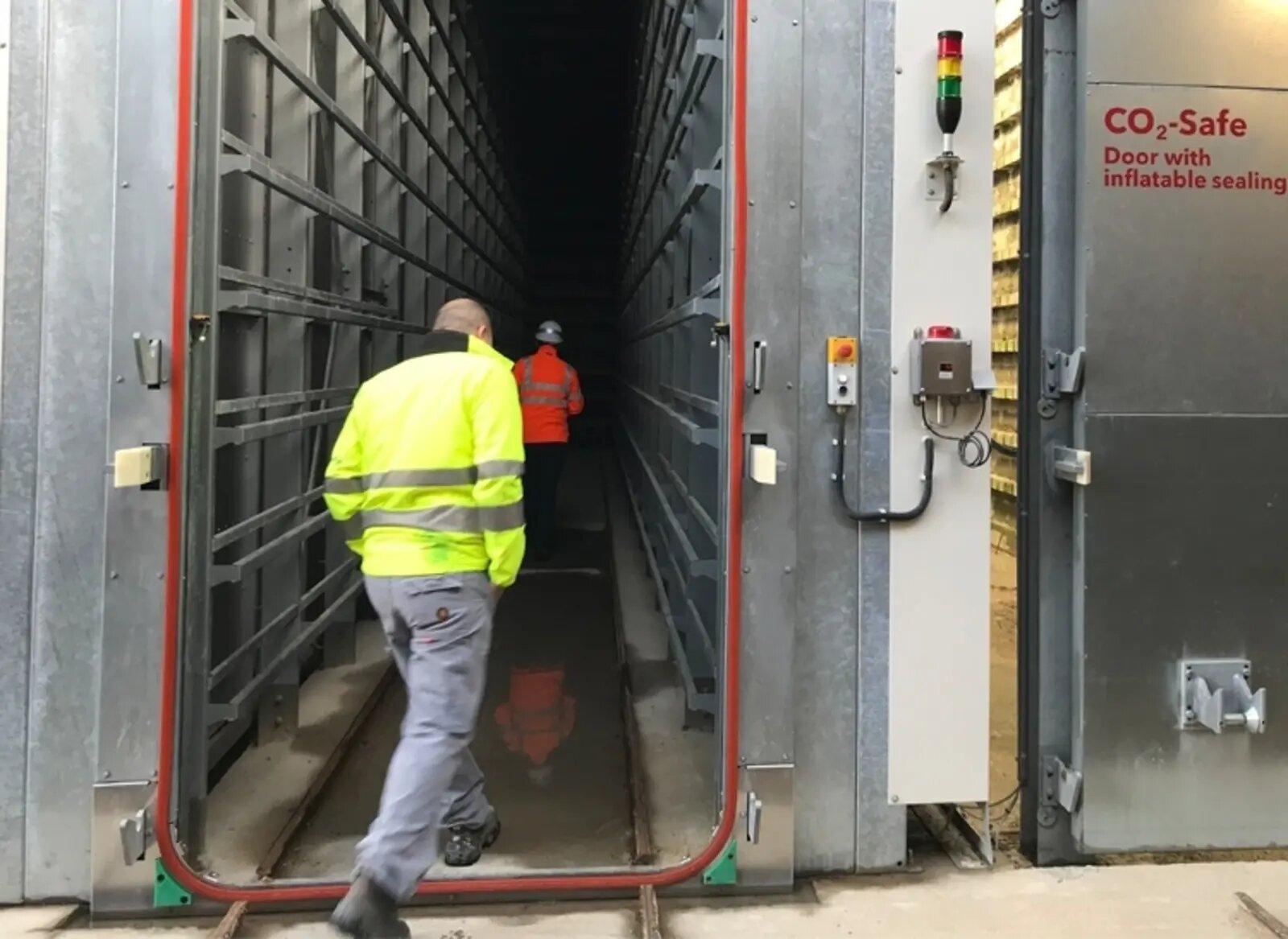
During production, cement is primarily responsible for the considerable environmental impact. We therefore examined whether it could be replaced or whether the production process could be organised in a more environmentally friendly way. The practical use of concrete in buildings – which is very important to us – was also addressed. Can it be used to create elements that are easy to reuse? Or can we create a product that can be recycled to a high standard?
Supply and demand
Hilde: “As a member of both the steering group and the transition group, we helped set the ambitions as high as possible. By signing the agreement, we are now committing ourselves to putting that theory into practice. As a building owner, we encountered the problem that there is little or no supply of sustainable concrete. Concrete producers, in turn, point to insufficient demand, making it unprofitable to transform their production processes. Thanks to this joint commitment, we can rely on a solid supply, while producers are assured of sufficient demand.”
Concrete actions
This brings us directly to our first initiative. Hilde: “Depending on the application, the BENOR standard permits a maximum recycled content of 20% or 30%. We are now including these percentages as minimum requirements in our specifications.”
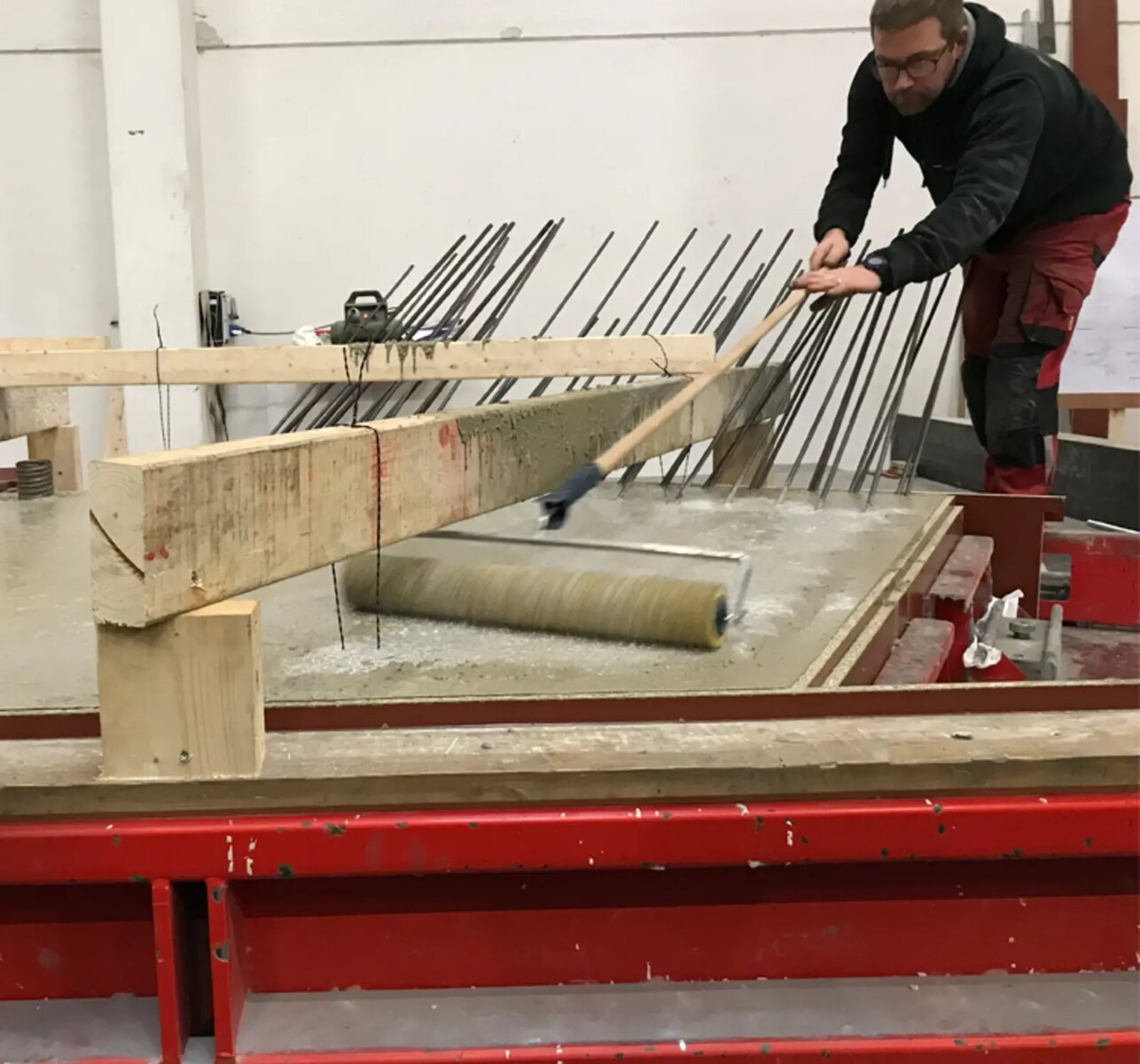
Of course, our efforts do not stop there. We also examine what is possible at an earlier stage of the process. Hilde: “Can certain elements be prefabricated instead of using cast-in-place concrete? We analyse this question together with our designers. It is important to investigate during the design phase how these elements can later be dismantled. This will allow us to reuse them, either internally or externally.”
We also conduct a comprehensive assessment of a construction project to determine how its concrete mix can be made as sustainable as possible for each application. Hilde: “For example, we are investigating whether and how the cement in the mix can be partially replaced for certain applications. We have just received official approval for a joint grant-funded project led by Buildwise: the Circular Concrete Living Lab. The lessons we learn from this project will be incorporated into standards for future projects.”